History
Brief History of Chiyoda – Just take a look at Chiyoda City
Chiyoda City (Chiyoda-ku, or Chiyoda Ward) is located in the center of Tokyo.
Since its creation at a merger of two wards, Kanda and Kojimachi, in 1947, the Chiyoda ward has been leading the charge in its key roles in politics, economics, business, art and culture. With its magnificent history, it has ever been a huge attraction to people in and out of Japan.
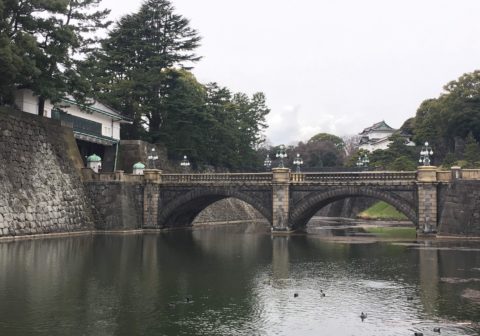
Chiyoda City is particularly well-known for its national icon, the Imperial Palace, which is the residence of the Emperor. The Palace grounds, surrounded by moats, take up about 12 % of the Chiyoda city. The Imperial Palace was originally in Kyoto for a long period of time, but at modernization (Meiji Restoration) in the 19th century, the Tokugawa shogunate gave up political rule and left the Edo castle. The Emperor Meiji moved in and generations of the Imperial families have been on the throne until the current Emperor Akihito (125th Emperor). Now the whole nation is excited to celebrate the new Emperor succeeding to the throne in May, 2019. Chiyoda City has been in the central positions both in business and politics since the Meiji government set the administrative district on the sites of feudal lords’ residences in the Edo period led by the Tokugawa shogunate. The political and business headquarters were founded in the district as you can see; the National Diet Building, the Prime Minister’s office and residence, and the Supreme Court. Along with various government offices, there are head offices of major corporations in the business district called “Marunouchi”.
Since its creation at a merger of two wards, Kanda and Kojimachi, in 1947, the Chiyoda ward has been leading the charge in its key roles in politics, economics, business, art and culture. With its magnificent history, it has ever been a huge attraction to people in and out of Japan.
Chiyoda City is particularly well-known for its national icon, the Imperial Palace, which is the residence of the Emperor. The Palace grounds, surrounded by moats, take up about 12 % of the Chiyoda city. The Imperial Palace was originally in Kyoto for a long period of time, but at modernization (Meiji Restoration) in the 19th century, the Tokugawa shogunate gave up political rule and left the Edo castle. The Emperor Meiji moved in and generations of the Imperial families have been on the throne until the current Emperor Akihito (125th Emperor). Now the whole nation is excited to celebrate the new Emperor succeeding to the throne in May, 2019. Chiyoda City has been in the central positions both in business and politics since the Meiji government set the administrative district on the sites of feudal lords’ residences in the Edo period led by the Tokugawa shogunate. The political and business headquarters were founded in the district as you can see; the National Diet Building, the Prime Minister’s office and residence, and the Supreme Court. Along with various government offices, there are head offices of major corporations in the business district called “Marunouchi”.